
Introduction
Cockroaches are among the most common and persistent pests found in homes and businesses worldwide. Known for their resilience and ability to thrive in various environments, these pests pose serious health risks and can cause significant discomfort. Implementing effective cockroach pest controls is essential for maintaining a clean, safe, and healthy living space.
In this blog, we’ll explore the biology and behavior of cockroaches, common signs of infestation, prevention tips, and the best control methods available to eradicate and keep cockroaches at bay.
Understanding Cockroaches and Their Impact
Cockroaches are nocturnal insects that can live in a wide range of environments but prefer warm, moist places close to food sources. The most common species affecting households include the German cockroach, American cockroach, and Oriental cockroach.
These pests are more than just a nuisance. Cockroaches can contaminate food, utensils, and surfaces with bacteria and pathogens they carry on their bodies, including salmonella and E. coli. Their droppings, shed skins, and secretions can also trigger allergies and asthma attacks, especially in children and sensitive individuals.
Signs of a Cockroach Infestation
Detecting cockroaches early is crucial to successful control. Common signs include:
- Sightings: Cockroaches are nocturnal and elusive but may be seen scurrying across floors, walls, or countertops at night.
- Droppings: Small, dark, pepper-like droppings near food preparation areas, cabinets, and dark corners.
- Egg Cases: Oval-shaped, brownish egg cases (oothecae) often hidden in cracks and crevices.
- Musty Odor: A strong, oily, musty smell can indicate a heavy infestation.
- Smear Marks: Cockroaches leave brownish smear marks along walls or baseboards when water is abundant.
- Damage: Chewed packaging or food products can indicate cockroach activity.
Effective Cockroach Pest Controls: Prevention Strategies
Preventing cockroaches from entering your home or business is the first and most important step in pest control. Consider these measures:
Maintain Cleanliness
Regular cleaning removes food crumbs, grease, and spills that attract cockroaches. Pay special attention to kitchens, dining areas, and storage spaces.
Store Food Properly
Keep food in airtight containers and avoid leaving pet food out overnight. Dispose of garbage regularly and use sealed trash bins.
Eliminate Water Sources
Fix leaking pipes, dripping faucets, and standing water, as cockroaches need water to survive.
Seal Entry Points
Inspect your property for gaps, cracks, and openings around doors, windows, pipes, and vents. Seal these entry points to prevent cockroach access.
Declutter
Reduce clutter such as cardboard boxes, newspapers, and paper bags, which provide hiding places for cockroaches.
Cockroach Pest Controls: Treatment Options
If prevention isn’t enough and cockroaches have invaded, several treatment options are effective in eradicating them.
Baits
Cockroach baits are one of the most effective control tools. These contain slow-acting insecticides mixed with attractants that cockroaches consume and carry back to their nests, killing other colony members.
Insecticidal Sprays
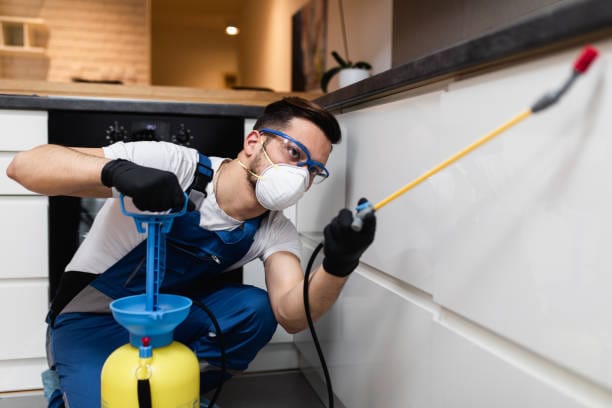
Professional pest control companies use targeted insecticidal sprays to kill cockroaches on contact and provide residual protection. These treatments are applied in cracks, crevices, and other hiding spots.
Dust Insecticides
Dust formulations are used in voids and hard-to-reach areas. The dust clings to cockroaches as they pass through and eventually kills them.
Traps
Sticky traps help monitor and reduce cockroach populations but are generally not sufficient as a standalone treatment.
Professional Fumigation
For severe infestations, whole-structure fumigation may be necessary. This method involves sealing the building and releasing gas that penetrates all areas to eliminate cockroaches.
Integrated Cockroach Pest Controls
Integrated Pest Management (IPM) combines multiple control methods for more sustainable and long-lasting results. Key components include:
- Inspection and monitoring to assess infestation levels.
- Sanitation and exclusion to remove attractants and block entry.
- Targeted use of baits and insecticides.
- Follow-up treatments and ongoing prevention.
DIY Cockroach Pest Controls: What You Can Do
Homeowners can take steps to reduce cockroach populations and prevent infestations using:
- Regular cleaning and vacuuming.
- Applying gel baits available in stores.
- Using caulk or sealant to close cracks and gaps.
- Removing food and water sources.
- Setting up sticky traps for monitoring.
However, for moderate to severe infestations, professional pest control services provide more effective and safe solutions.
Why Professional Cockroach Pest Controls Matter
Professional pest control specialists have the knowledge, tools, and experience to handle cockroach infestations safely and effectively. They can identify the species, locate nests, and apply the most appropriate treatments.
Professionals also offer guarantees and follow-up visits to ensure complete eradication, reducing the risk of recurrence.
Health Risks of Ignoring Cockroach Infestations
Cockroaches can spread pathogens that cause food poisoning, dysentery, and diarrhea. Their allergens can worsen respiratory problems like asthma.
Ignoring infestations puts your family’s or employees’ health at risk and can lead to regulatory penalties for businesses.
Conclusion
Cockroach infestations are a serious problem that requires prompt attention and effective cockroach pest controls. By understanding their habits, maintaining cleanliness, sealing entry points, and utilizing professional treatment options, you can protect your home or business from these resilient pests.
Taking proactive measures and working with experienced pest control providers ensures a cockroach-free environment and safeguards your health and property.


 English
 Arabic