
Cockroaches are among the most unwelcome guests in any home or business. They spread disease, trigger allergies, and are notoriously difficult to eliminate once they set up shop. That’s why effective cockroach pest controls are not just about comfort—they’re about health, safety, and peace of mind. Below, we cover the risks, the best strategies, and how professionals can help you reclaim your space.
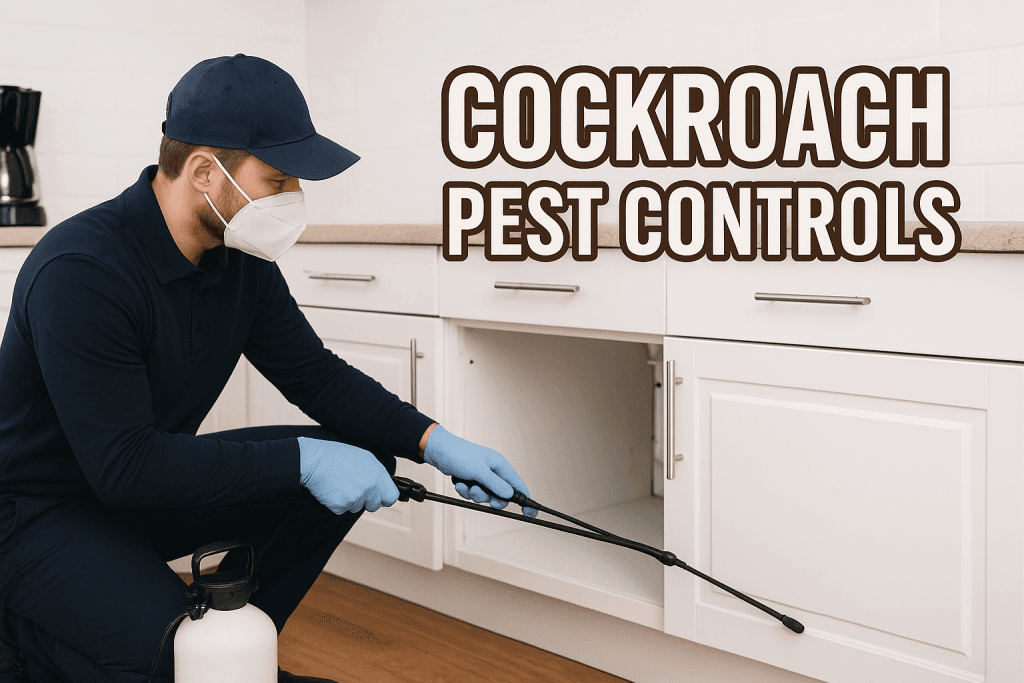
Why You Can’t Ignore a Cockroach Infestation
Cockroaches aren’t just gross—they pose real health risks:
- Disease spread: These pests can carry bacteria such as Salmonella, E. coli, and other pathogens on their bodies and through their droppings. These can contaminate food, kitchen surfaces, and utensils. PestWorld+2Illinois Department of Public Health+2
- Allergies and asthma: Cockroach shed skins, droppings, saliva, and other debris are potent allergens. If someone in your home has asthma or respiratory issues, exposure can trigger serious attacks. NCHH+1
- Food contamination: Even a few roaches crawling over food prep areas, dishes, or groceries can leave behind harmful bacteria. PMC+1
Because cockroaches reproduce fast and hide in tiny gaps, early detection and a strong control plan are vital.
Common Types of Cockroaches and Where They Hide
Understanding your enemy makes cockroach pest controls much more effective. Some of the typical culprits are:
- German cockroach: Often found in kitchens and bathrooms inside cabinetry, behind appliances, or in close cracks and crevices. Very prolific, and tough to kill off. Illinois Department of Public Health+1
- American cockroach: Larger species, likes warm, moist areas. Basements, boiler rooms, sewers, drainways are common hideouts. Wikipedia
They prefer dark, humid spots with easy access to food and water. Cracks near plumbing, under sinks, around drains—all are prime real estate for roaches.
Proven Steps for Effective Cockroach Pest Controls
Here’s a solid, multi-step plan to manage and eliminate roaches effectively:
- Inspection & Monitoring
Look for signs like droppings (often like coffee grounds or pepper), oothecae (egg casings), shed skins, and smear marks. Sticky traps in kitchens and bathrooms can help identify hot spots. My Pest Pros+1 - Sanitation
Remove all sources of food and water. Clean up crumbs, grease, repair leaks, don’t leave pet food out overnight. Also, store food properly in sealed containers. Cleaning behind appliances and inside cabinets is important. Penn State Extension+1 - Seal Entry Points & Reduce Harborage
Caulk cracks around baseboards, pipes, windows. Fix door sweeps. Remove clutter, cardboard, stacks of paper, old boxes—they give hiding spaces. Penn State Extension+1 - Baits & Gel Treatments
Gel baits work well when placed in cracks and crevices where roaches travel. Small, frequent placements are more effective than large blobs. Entomology+1 - Use of Non-Toxic Agents & Dusts
Substances like boric acid or food-grade diatomaceous earth can be valuable, especially around edges, behind baseboards, or under sinks. They are less toxic to pets and children when applied properly. My Pest Pros+1 - Professional Intervention
Sometimes, the infestation is too large or too deep. Professionals can apply insect growth regulators, advanced baits, or barrier treatments. They know which chemicals are safe and effective and how to use them in hard-to-reach places.
What to Expect When You Hire a Professional
When choosing a company offering cockroach pest controls, you should expect:
- A thorough inspection to determine species, extent, hotspots, etc.
- A detailed plan: what treatments will be used, safety protocols, timeline.
- Use of safe, EPA-approved products.
- Follow-ups or guarantees: roaches can reappear if egg cases survive, so multiple treatments may be needed.
DIY vs Professional: When to Go Pro
If you see a couple of roaches at night, you may try DIY-methods first. But contact a pest control service when:
- Roaches are seen during the day (indicates large population).
- Multiple hiding spots or structural entry points.
- Family members have asthma or allergies.
- Home is large, or treatments are not working.
Trying to handle large infestations by yourself can lead to recurring costs, health risks, and frustration.
Preventive Tips to Keep Cockroaches Away Long-Term
Even after eradication, prevention is key to avoid reinfestation:
- Fix moisture problems: leaky pipes, drains, standing water.
- Daily cleaning in kitchens and bathrooms.
- Sealing tiny cracks and holes.
- Regularly empty garbage, and keep bins closed.
- Declutter spaces where roaches can hide.
Final Thoughts: Take Action Now
Cockroach invasions aren’t just annoying—they’re unhealthy. With proper cockroach pest controls, you can protect your home, preserve your family’s health, and avoid costly damage.
If you’ve noticed signs of infestation, or just want peace of mind, reach out to a professional pest control service. Early action + good preventive habits make all the difference.


 English
 Arabic