
Keeping the City Clean: The Definitive Guide to Pest Control in New York
New York is one of the greatest cities in the world: vibrant, busy, full of life. But with so many people, so many buildings, so much food—and so many cracks and corners—comes a serious challenge: pests. Whether you’re a homeowner, a tenant, or a business owner, understanding Pest Control in New York is essential to keeping your space healthy, safe, and comfortable.
In this article, we explore why pest infestations are especially common here, the laws and best practices that apply, the strategies you can use, and how to choose a high‑quality service for Pest Control in New York that works for you.
Why New York Needs Strong Pest Control
Urban Density, Variety of Housing, and Aging Infrastructure
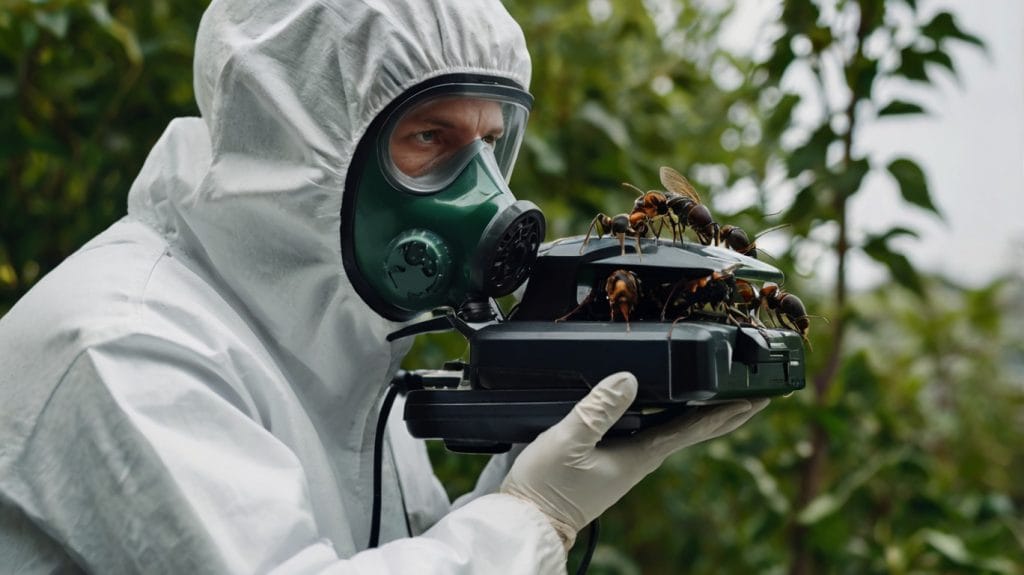
New York’s huge population density means that pests—cockroaches, rodents, bedbugs, wasps, etc.—find plenty of food, hiding spots, and routes of entry. Older buildings have gaps, cracks, and shared walls that make it easy for pests to move from apartment to apartment. All of this makes Pest Control in New York a continual battle.
Climate and Seasonal Changes
Summers are hot and humid, winters are cold and dry. These seasonal shifts tend to drive pests indoors. Insects seek warmth, warmth seeks moisture, rodents seek shelter. Thus the risk of infestation fluctuates, but often peaks in warmer months—something everyone in Pest Control in New York must stay aware of.
Public Health & Sanitation
Pests aren’t just an annoyance—they can carry disease, trigger allergies and asthma, damage property, spoil food, and reduce quality of life. Moreover, New York has laws and regulatory bodies (city, state) that require property owners, landlords, and businesses to maintain clean, pest‑free environments. Pest Control in New York is not just a convenience—it’s a legal and health imperative.
Laws, Regulations & Responsibilities
When it comes to Pest Control in New York, knowing what the law expects is just as important as knowing how to do the work.
- The NYC Department of Health and Mental Hygiene (DOHMH) provides rules and guidelines for business owners, landlords, and tenants about preventing and eliminating pests.
- Property owners and landlords are required by law to maintain premises free from pests like rats, mice, roaches, and insects. Repairs to structure, sealing of entry points, and proper disposal of garbage are required.
- Pesticide laws: only licensed professionals should apply many kinds of chemical treatments. There are regulations around safe pesticide use, what types may be used, how to apply them, and how to inform residents or neighboring properties.
Thus, Pest Control in New York isn’t something you can improvise if serious infestation has set in or if you plan to use chemicals; compliance and safety are key.
Best Practices & Effective Strategies
To achieve successful Pest Control in New York, whether in your home or business, the following strategies are proven:
Integrated Pest Management (IPM)
Instead of relying solely on chemical sprays, IPM is a holistic approach. It involves:
- Inspection and monitoring — knowing where pests are, what species they are, what is attracting them.
- Sanitation and maintenance — removing food and water sources, fixing leaks, sealing cracks and holes, reducing clutter.
- Physical barriers / exclusion — door sweeps, sealed pipes, mesh screens, etc.
- Targeted treatments — using pesticides only when necessary, choosing least‑toxic options, using traps or baits where possible.
- Follow up & prevention — regular checks, cleaning, maintaining preventive measures so pests don’t come back.
Research in New York has shown that IPM in public housing, for example, significantly reduces populations of cockroaches and mice, reduces allergens, and improves resident satisfaction—all while reducing reliance on heavy pesticide use.
Tenant and Landlord Cooperation
Because many New York buildings are multi‑unit dwellings, Pest Control in New York depends heavily on cooperation. Even if your own apartment is clean, pests can come in from neighboring units. Landlords must maintain building structure; tenants must keep living spaces clean, report issues early, and allow access to treatments when required.
Safe Use of Chemicals
- Only licensed applicators should apply restricted‑use pesticides.
- Avoid dangerous products like unlabelled chemicals, bombs or foggers, or illegal pesticide formulations. NYC Health warns against certain dangerous pesticide practices.
- Always follow label instructions, use protective gear, ensure inhabitants (humans and pets) are safe from exposure.
Prevention First
The best way to minimize costs, disruption, and health risk is to prevent pest problems before they grow. Some preventive tips:
- Store food in sealed containers; clean up spills quickly.
- Dispose of garbage properly; keep trash in sealed bins and remove daily.
- Fix water leaks, poor drainage, moisture in walls or ceilings.
- Seal cracks, holes, entry points around doors, windows, pipes.
- Reduce clutter; keep storage areas organized.
These simple measures are fundamental to Pest Control in New York, and often cheaper and safer than reactive treatments.
Costs, Challenges & What to Expect
Costs
Pest Control in New York is not cheap. According to recent data:
- Simple interventions may cost in the hundreds of dollars; severe infestations (e.g. of bedbugs, or needing fumigation) can run into thousands.
- For example, average residential pest control in NYC might be around $250 or more depending on pest type, level of infestation, property size, treatment method.
Challenges Unique to New York
- Shared walls and units: infestation in one apartment often spreads or recurs unless the whole building is addressed.
- High foot traffic & transit: pests (like bedbugs, cockroaches) can travel via suitcases, bags, public transportation, making reinfestation easier.
- Regulatory complexity: navigating landlord vs. tenant responsibility, license requirements, building codes.
- Health & safety concerns: heavy chemical use can be risky. Ensuring compliance with all safety rules, especially in multi‑unit buildings or with vulnerable populations (kids, elderly, people with allergies) is essential.
How to Choose a Good Provider for Pest Control in New York
When hiring someone to handle your pest issue, consider these criteria:
- Licensing & certification – make sure they are legally permitted to apply pesticides, especially restricted ones.
- Experience with similar pest problems – if your issue is bedbugs, rats, roaches, termites, choose a provider who has specific expertise.
- Transparent treatment plan – good providers will inspect first, explain options, show you preventive measures, follow‑ups, costs up front.
- Safety & non‑chemical options – ask about IPM approaches, low‑toxicity pesticides, traps/baits, and guarantee of protecting people/pets.
- References, reviews, guarantee – check past work, reviews from neighbors or local community forums, and that they stand by their work (do pests come back? Is there a warranty?).
Real‑Life Applications & Success Stories
- In many public housing developments in New York City, applying IPM strategies (including cleaning, structural repairs, resident education) led to large drops in cockroach populations and allergic allergens and reduced pesticide use significantly.
- NYC’s laws require building owners to use licensed professionals for Pest Control in New York, enforce maintenance of buildings, and make sure that treatment is done in a safe, regulated way. Compliance has resulted in fewer severe outbreaks in many neighborhoods.
Summary: The Way Forward for Pest Control in New York
Pest Control in New York involves more than just spraying. It’s about creating environments where pests have less reason to exist: sealing entry points, improving sanitation, fixing structure, using safe chemicals only when necessary, and working together—residents, landlords, local health agencies—to maintain standards.
With laws in place, strong regulation, and increasing awareness of integrated pest management, NYC is making strides. But the challenge remains ongoing. New threats—drug‑resistant insects, climate changes, increased mobility—mean vigilance is always needed.


 English
 Arabic