
What Marketers and Publishers Should Know
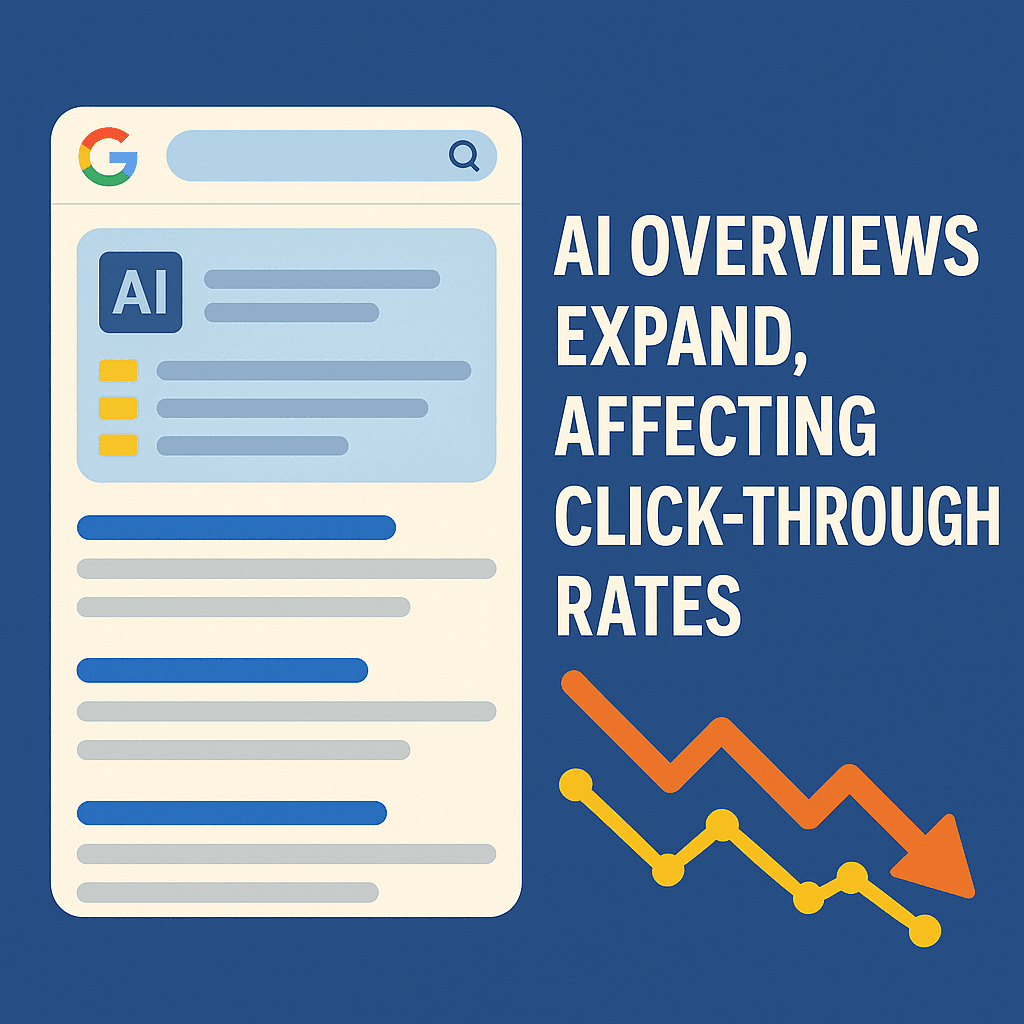
The most interesting trends in search are evolving day by day; One of the most phenomenal changes occurred in Google with its expansion of AI Overviews. These AI-generated summaries are retrieving click-through rates across the globe based on how people are using them when interacting with SERPs, as they now appear at the top of the pages of SERPs.
This means that if you were a content marketer or SEO or publisher, understanding how these AI Overviews work and what kind of impact they have on your traffic is not essential but imperative now.
What is AI Overviews?
AI Overviews are part of Google’s push into the generative AI into searching experience. These snippets using large-language models synthesize information from multiple sources to offer a brief, human-like response at the top of the SERP. The users, instead of clicking through to a website, may have all the information they need from the overview.
These usually contain citations or links to sources to understand AI Overviews; yet, one of the most critical things is that many users may never scroll down the AI result if it satisfies their query.
What are the Effects of AI Overviews on Click-Through Rates?
For owners of websites, it is much simple: fewer clicks.
Marketers and analysts also report now that the appearance of AI Overviews has significantly reduced the frequency of clicks on organic listings by 20 to 30 percent, depending on the search intent. Informational queries especially can have the greatest drop-in click-through rates since these users want quick answers and will often find what they need delivered directly through the AI Overview.
More than 60% of Google searches now end without a click-found from a study by SparkToro and Similarweb in early 2024; numbers would continue rising as AI summaries become effective.
In short, Google gives answers to more inquiries directly, which siphons traffic from the very sites it referred users.
Why Is Google Expanding AI Overviews?
Shifting gears in Google’s strategy focuses on the concept of being a “search assistant” rather than being just another search engine provider. And with ChatGPT from OpenAI, Microsoft’s Bing AI, and Perplexity AI, Google would be hard-pressed to compete.
AI Overviews are:
Improving the user experience by reducing the time spent scouring through a list of search results
Quick, cohesive answers that feel more natural and contextually relevant
Keeping the user within the ecosystem of Google, not pushing to a third-party site
This could be a win for users, but it is a disturbing change for content creators and enterprises relying on organic traffic.
What Kinds of Content Are Most Affected?
Not all types of content are created equal, and here is a quick summary of what is most susceptible:
1. Informational Content
Articles answer direct questions like this: “What is the capital of France?” or “How to tie a tie?” Such articles will probably become the target of AI Overviews: more and more of such searches become zero-click.
2. How-To’s and Tutorials
Often, these can be distilled into summaries generated by AI, especially where evidence already collected content similar to what such a guide might have.
3. Health, Science, and News
AI Overviews are common practice for a number of science and medical searches, although Google maintains its caution in sensitive areas in these topics. This has an effect across authority publishers and niche sites.
In contrast, transactional or commercial queries (like “best running shoes 2025” or “plumber near me”) still hint at driving clicks because users want reviews, visuals, and pricing info.
Marketers and Publishers: Adapting?
While the revolution may seem to be beyond your control, it is possible to offset its negative impact-even profit from it.
1. Position Content for Inclusion in AI Overviews
Just like featured snippets, AI Overviews pull content from top-ranking, trusted sites. In order to position your content in a much better way to be picked up by AI Overviews, have crisp clear answers, bullet points, and schema markup in your content.
2. Build Stronger Brand Profile and Authority
Generic queries might be dominated by AI Overviews, but people still click on trusted brands. Therefore, invest in building domain authority, trust signals, and a loyal audience that specifically seeks access to your site-not just any answer.
3. Produce Content That AI Can’t Replicate Easily
This includes:
- Unique insights and analysis.
- First-hand reviews or interviews.
- Original data or case studies.
- Multimedia (videos, tools, calculators).
Such assets are very unlikely to be summarized by AI successfully; they give users a reason to click through.
4. Diversify Traffic Sources
Dependence on the traffic from Google is riskier than ever. Develop your audience through email campaigns, community outreach, social media, and podcasts.
5. Track CTR Trends
Apply tools such as Google Search Console, Semrush, or Ahrefs to keep tabs on how your CTRs are changing. Watch for queries under the influence of AI Overviews and revise your keyword argument toward those.
The Bottom Line
AI Overviews from Google signaled a more significant trend: search engines morphing into answer engines. Although this sort of thing would benefit a user, it poses a new challenge to businesses dependent on visibility and clicks.
It is, of course, to adapt not react. What matters is unique, high-quality content outside the realm of an AI can generate-with the additional advantage of long-term strategies that build up brand equity and diversify traffic.
As with every shift in SEO, those who stay informed and agile will have the best chance of thriving in this new landscape.




 English
 Arabic